Grading and Site Prep
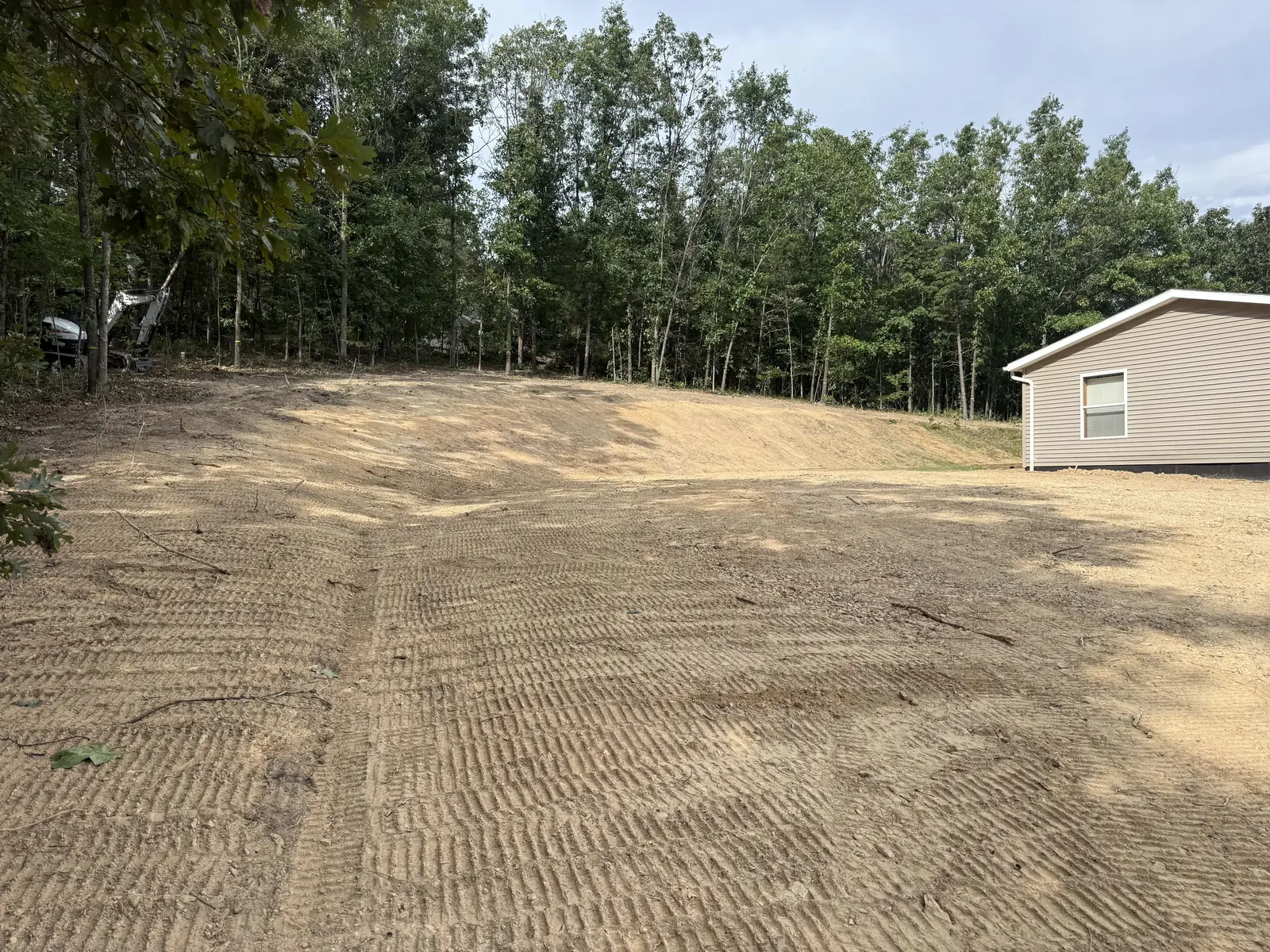
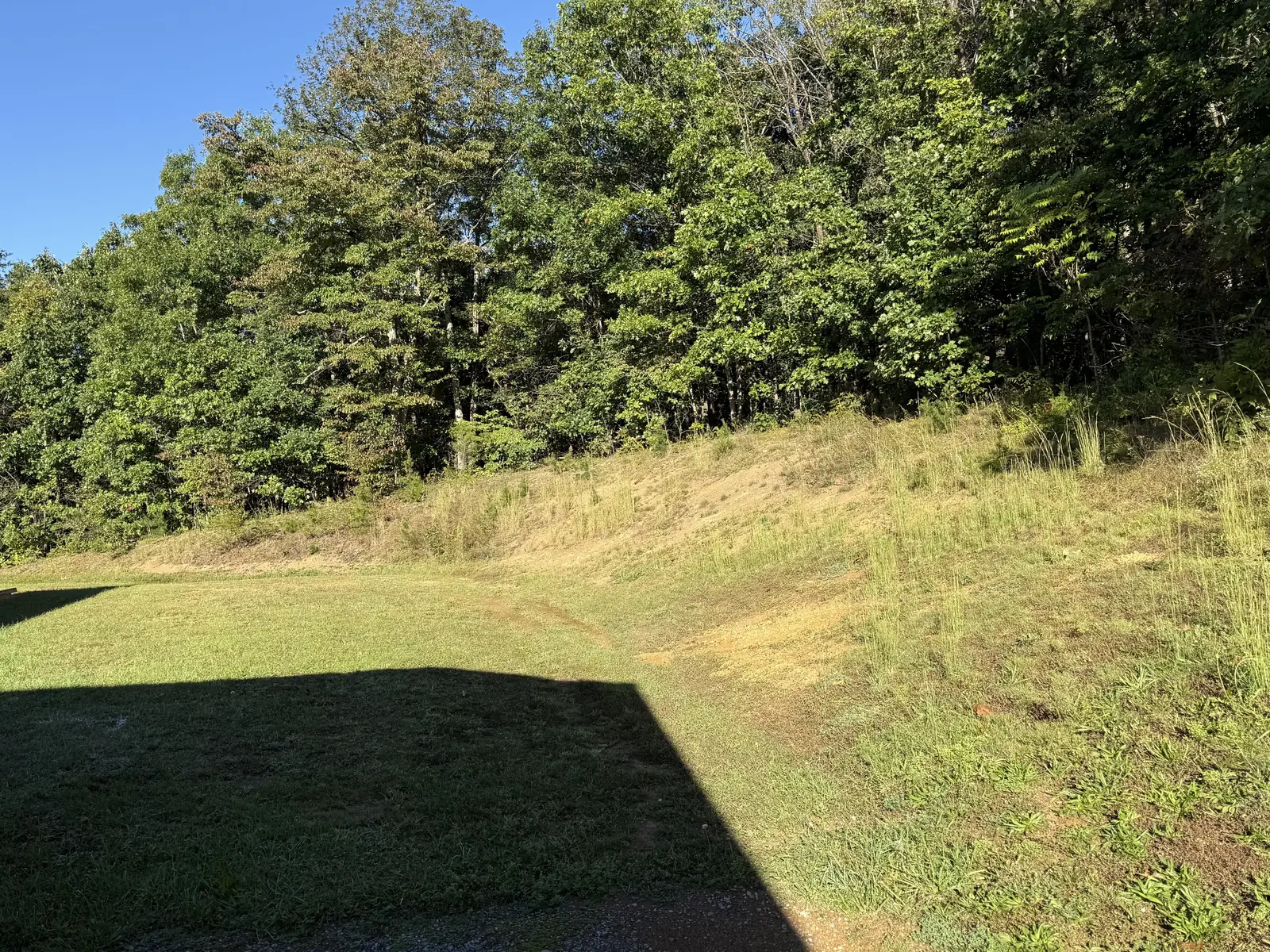
We level pads, smooth rutted ground and shape lots after clearing. The finished grade sends water away from your buildings instead of toward them.
Learn More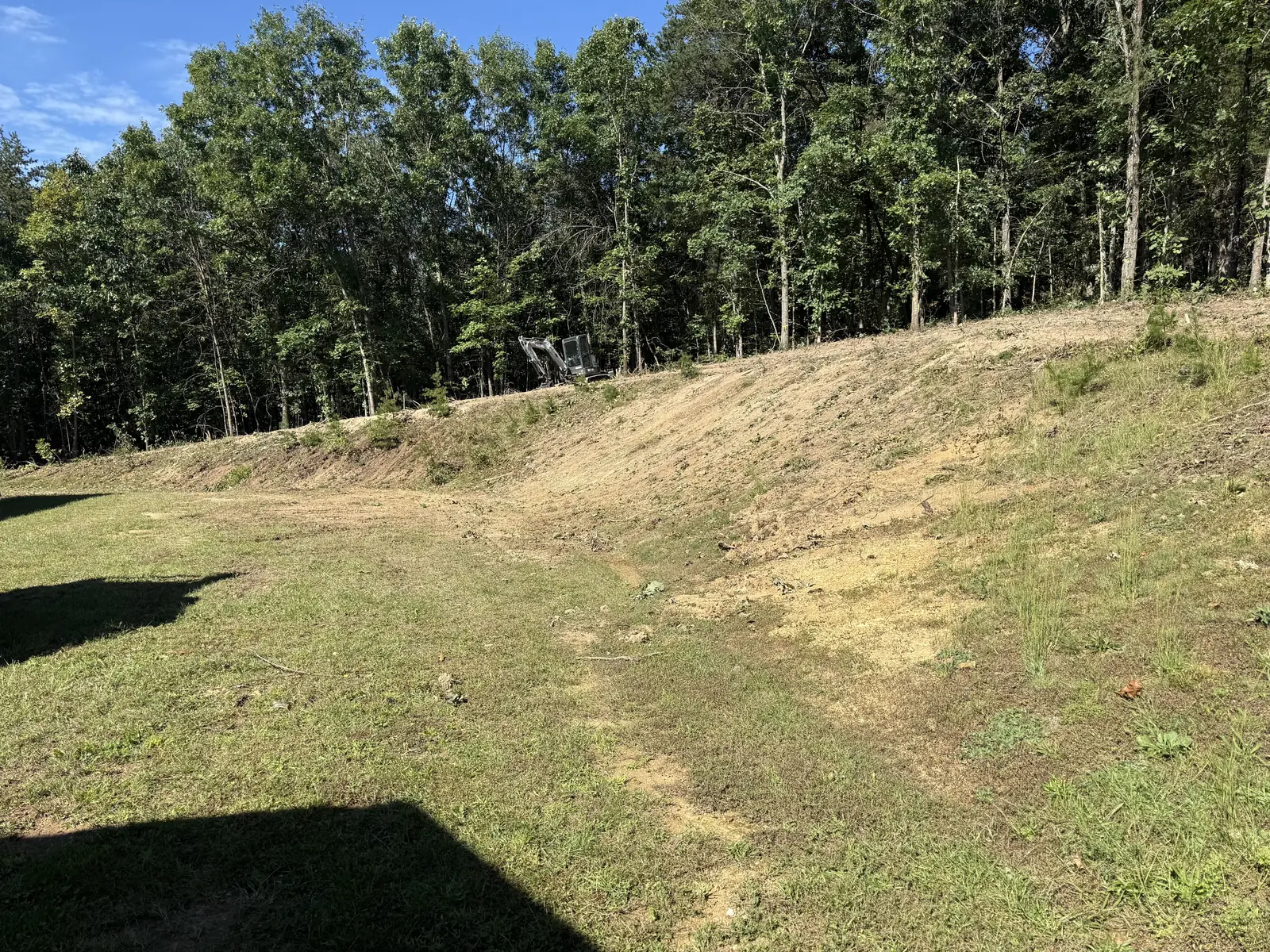
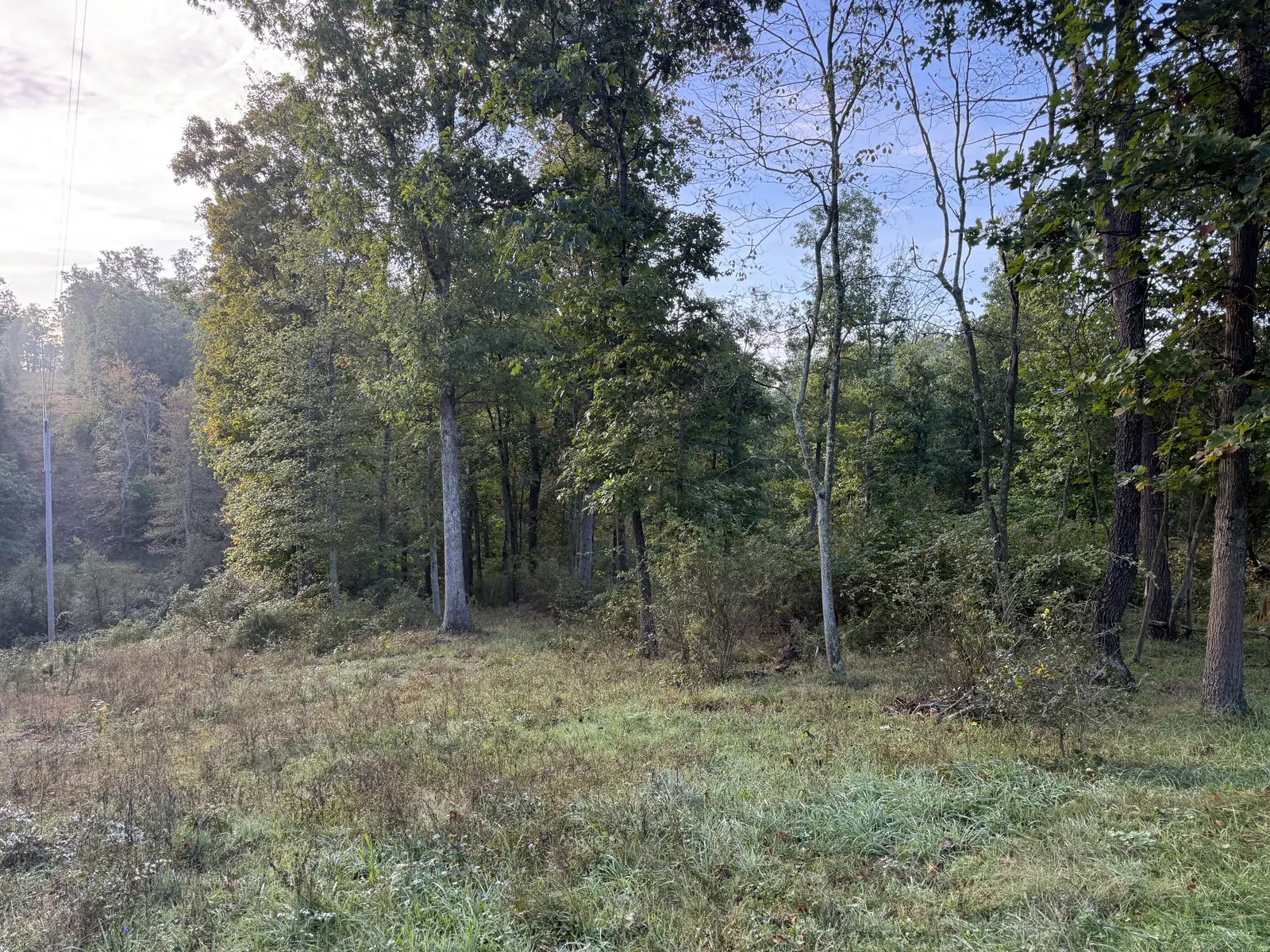
Lot clearing gets a wooded or grown-up lot ready for a building. That might be a house, a cabin, a modular or mobile home, a garage or a pole building. We open up the part of the lot you need and can leave the rest in trees. Stumps and roots come out where the house and the drive will sit.
We are based in Augusta, in Hampshire County. Our lot clearing services cover the Eastern Panhandle and the northern Shenandoah Valley. A tracked loader with a mulcher head handles most of the clearing, and a mini excavator handles the digging. For bigger acreage and hunting land, see our land clearing service.
Tell us about the job and the ground. We will get right back to you.
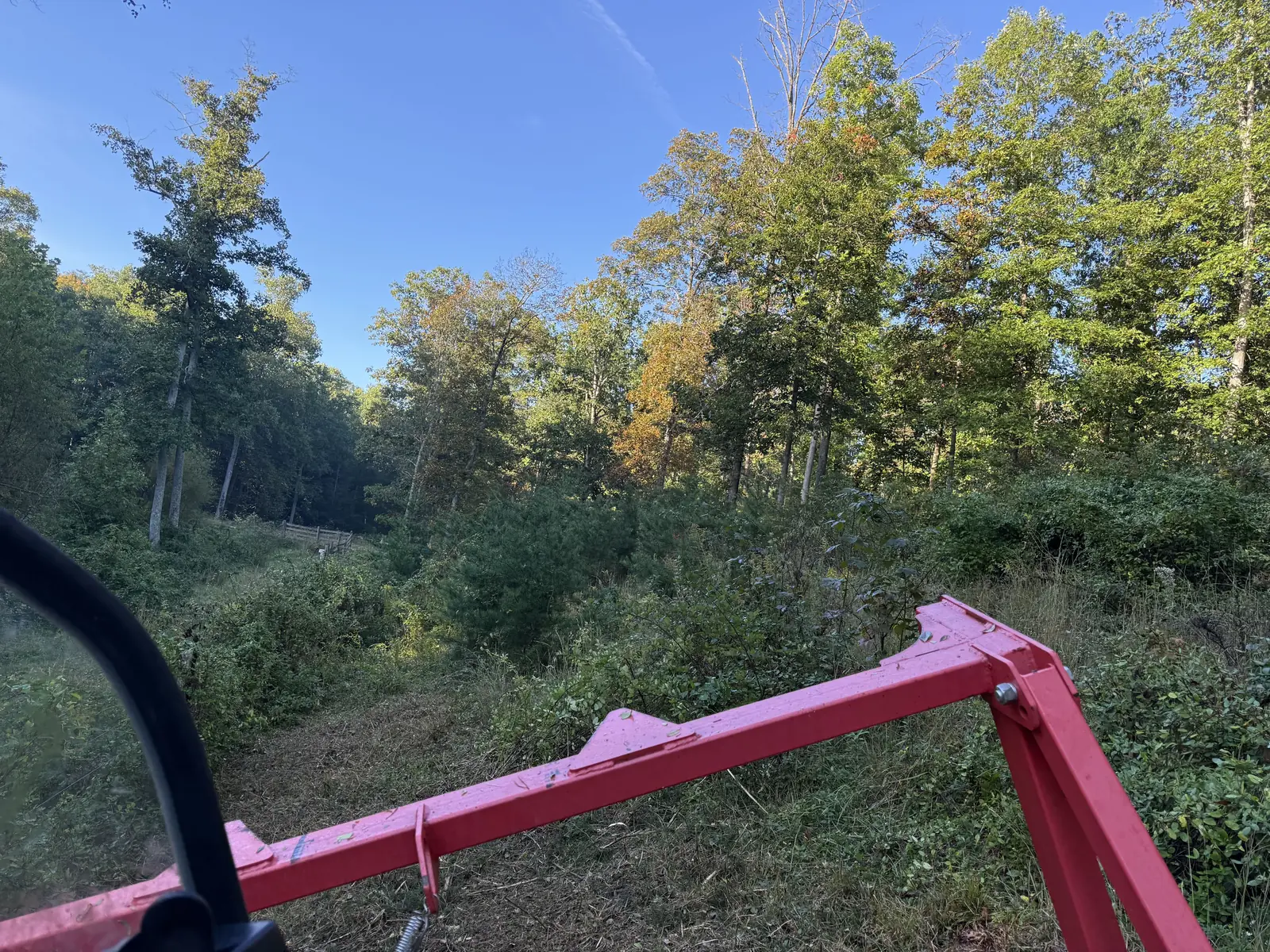
A lot left alone for a while fills in with brush, briars and saplings. Our tracked loader runs a forestry mulcher head that grinds that growth into chips where it stands. On a steep bank or a tight edge, the mini excavator's brush cutter cuts the heavy brush.
Mulching leaves stumps and roots in the ground. That works at the edges and in the woods you keep. Under the house and the drive, buried wood rots and the ground above it settles. So the mini excavator switches to its bucket for stump removal, roots and all.
With the stumps out, the house pad gets rough grading so it sits level and sheds water. Our grading and site prep work covers that step. The drive path gets opened from the road, ready for a gravel driveway. The same steps cover mobile home site preparation and modular homes.
Where the house, the drive, the well and the septic area go is your call and your builder's. Settle that layout first, and we clear to it. Mark the trees you want to keep, and the machines work around them.
In Hampshire County, a septic permit has to come before any building permit. The county's building permit packet for a new home asks for a copy of it. A new well needs its own permit too. Both run through the county health department, where you and your installers apply.
Clearing under an acre usually needs no state stormwater permit. The exception is a lot that is part of a larger common plan of development. At one acre or more, WV DEP requires its construction stormwater general permit, and the owner or developer gets it. Our guide to land clearing permits in West Virginia covers the rest.
The county planning commission's plan says developments here are often large lot subdivisions where people built second or seasonal homes. If you own a lot like that and are ready to build, clearing is the first machine work.
The county plan names Weikert and Berks soils as the most common here, and both formed from shale and siltstone. Weikert is a shallow soil, with bedrock 10 to 20 inches down. When rock stops roots going down, they stay near the surface and spread out far from the tree. So under the house and the drive, we dig out the spreading roots along with the stump.
Mulched brush ends up as chips on the ground, so there is no pile to burn. A brush pile runs into state burning rules. Brush cleared to build on counts as land clearing debris under the state air quality rule, and burning it takes approval from the WV DEP. In the spring and fall fire seasons, state law also allows outdoor burning only from 5 p.m. to 7 a.m. Our post on West Virginia burn laws lays out the seasons and the rules.
Free, no-obligation estimates across the Eastern Panhandle and the northern Shenandoah Valley.
(540) 327-1400From the first call or text to the finished property, here is how it goes.
Call or text (540) 327-1400 and tell us what the property looks like. Photos and a map pin help us picture the ground before we drive out.
We meet you at the property and go over what you want done. We check the slope, the wet spots, the trailer access, and what has to come down.
We give you a price for the work you asked about. The job goes on the schedule once you approve it.
The machine the job calls for comes in on our trailer, and the second one follows when the work needs both. Clearing, stump work and grading happen on the same job when the ground allows.
Before the machines load up, we go over the finished ground with you. You see the grade and where the chips and dirt ended up.
Common questions about lot clearing across the Eastern Panhandle and the northern Shenandoah Valley. If yours is not here, call or text and ask.
We level pads, smooth rutted ground and shape lots after clearing. The finished grade sends water away from your buildings instead of toward them.
Learn More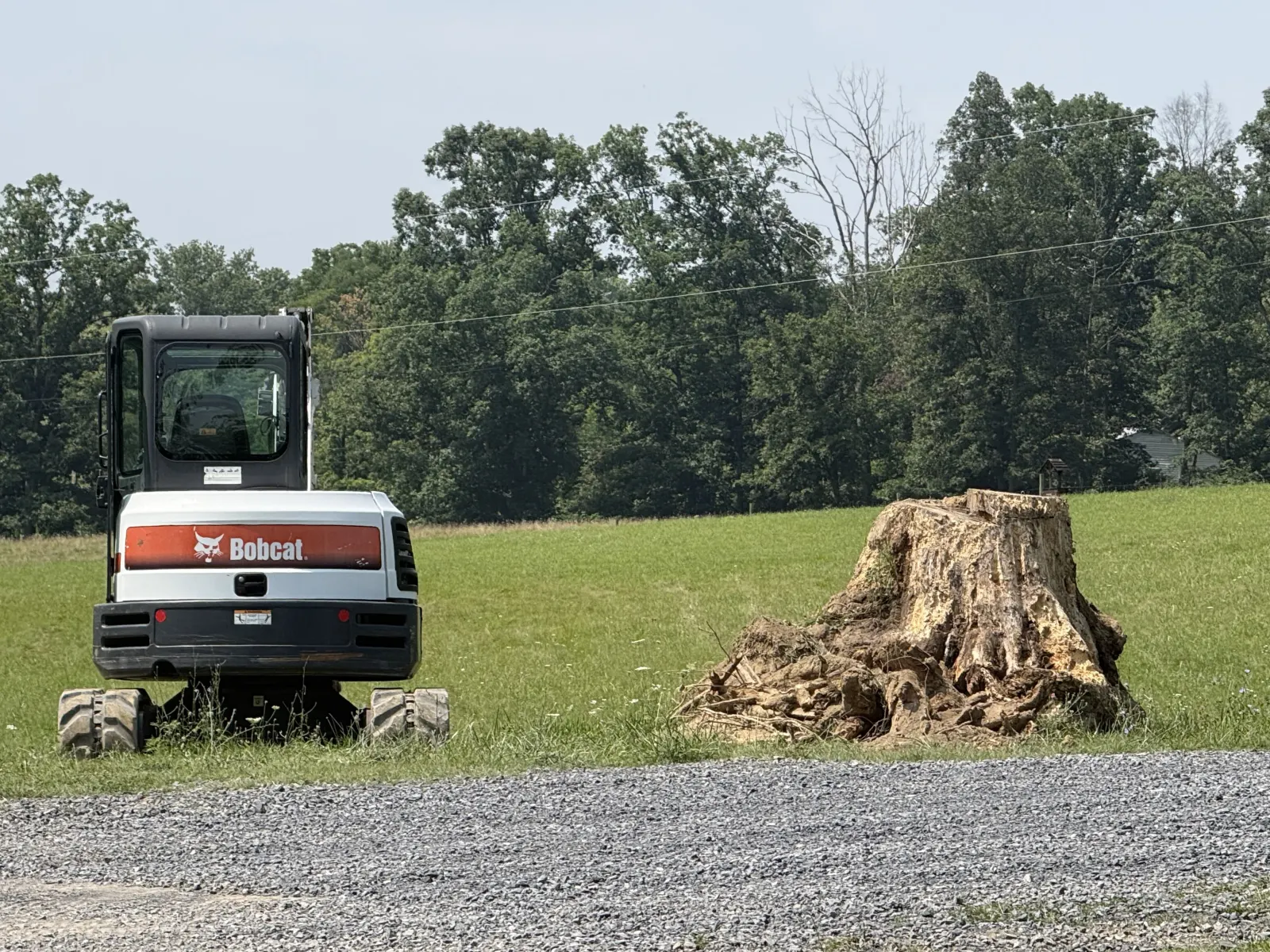
We dig stumps out with a mini excavator, root ball and all. The hole gets backfilled and bladed level so the spot can be mowed or built on.
Learn More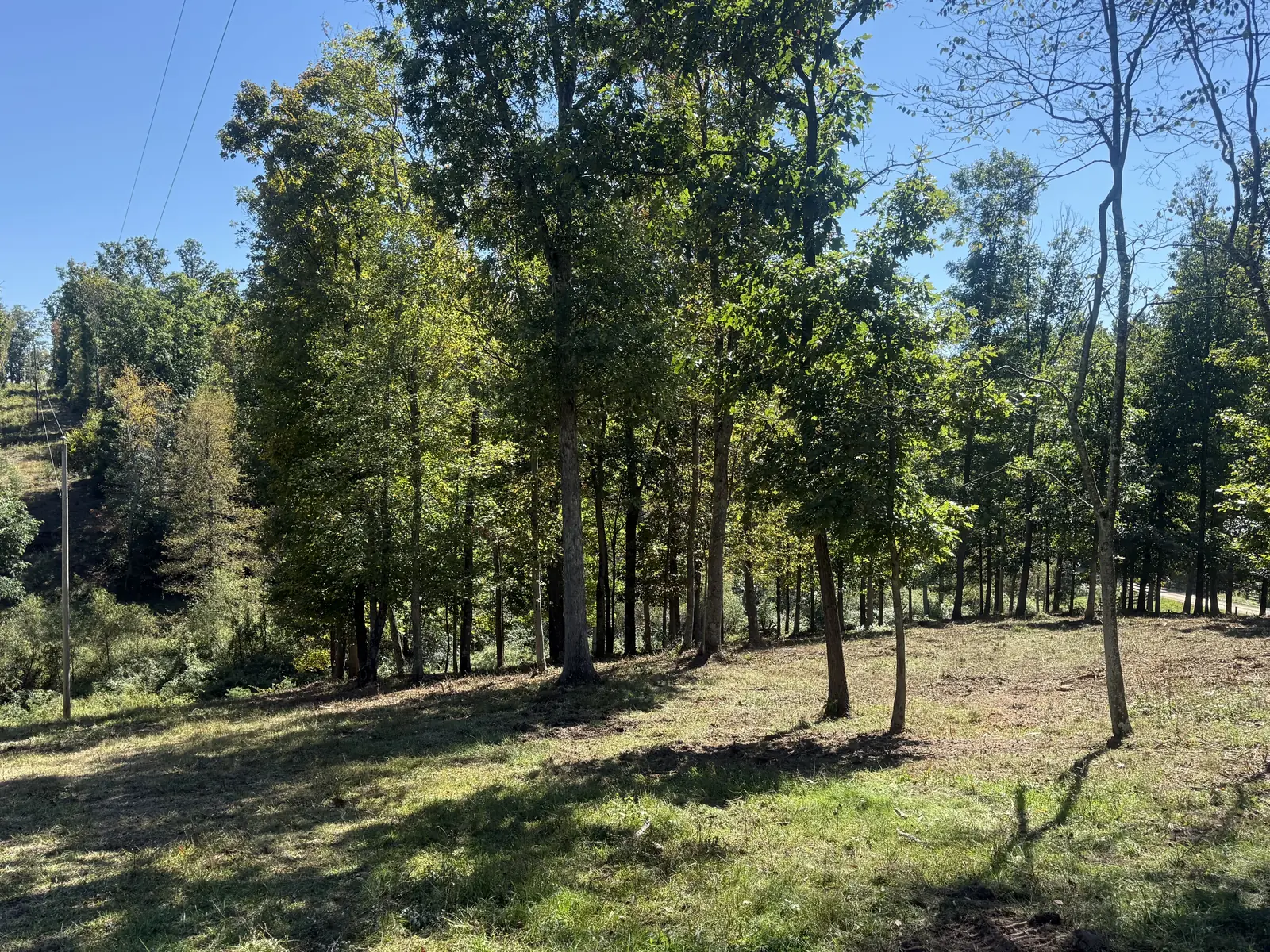
We grind standing brush, saplings and small trees into mulch with a mulcher head on our tracked loader. The chips stay on the ground and hold the soil in place.
Learn More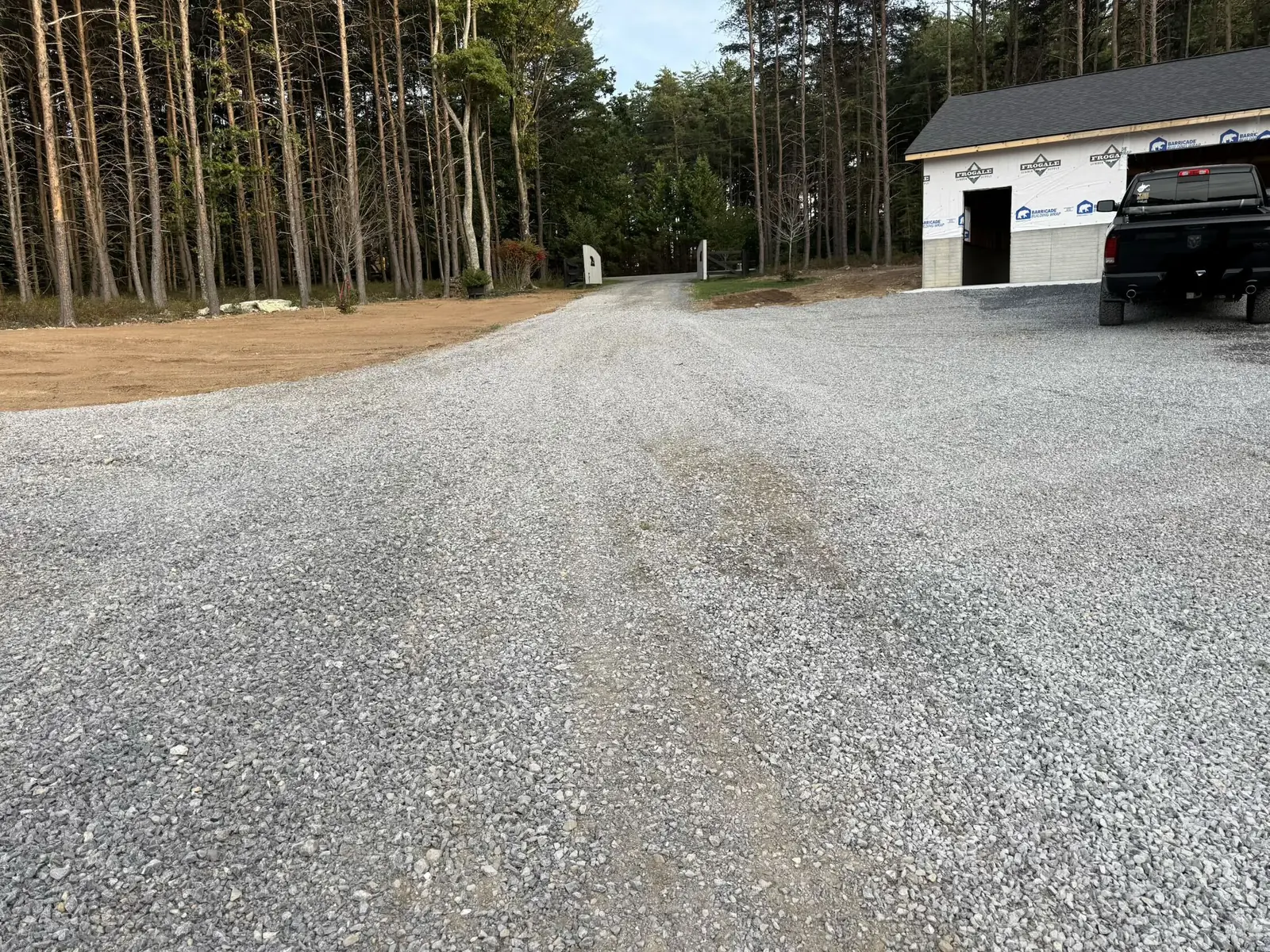
We cut in new gravel driveways and lanes on rural lots, and regrade drives that have rutted or washed out. The surface gets crowned so water runs off the drive instead of down it.
Learn MoreWe work out of Augusta, on US-50 between Romney and the Virginia line. That means ridge ground, thin shale soil, grown-up fence rows, and old pasture growing back in.
A tracked loader with a mulcher head clears standing growth, and a mini excavator does the digging. Tracks spread the weight on soft ground and hold better on slopes than wheels.
We come out, look at the property with you, and price the work. The estimate costs nothing and gives you a number before any machine shows up.
We cover Hampshire, Mineral, Hardy, Grant, Morgan and Berkeley counties in West Virginia. East of the line we reach Winchester and Front Royal, roughly 50 miles from Augusta.
Tell us where the property is and what you want the ground to do. Call or text (540) 327-1400, or fill in the form and we will get back to you.
Tell us about the job and the ground. We will get right back to you.