Gravel Driveways
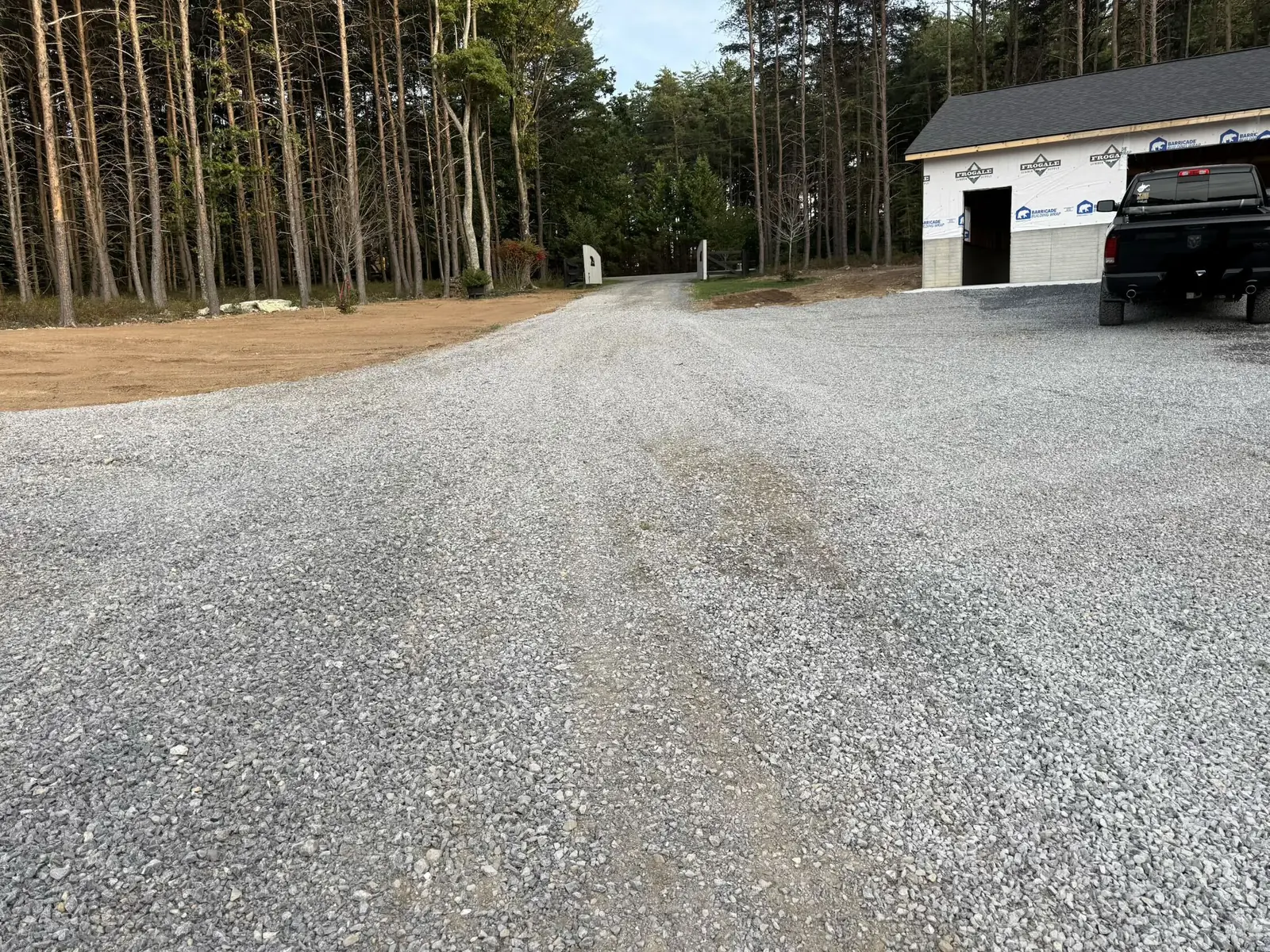
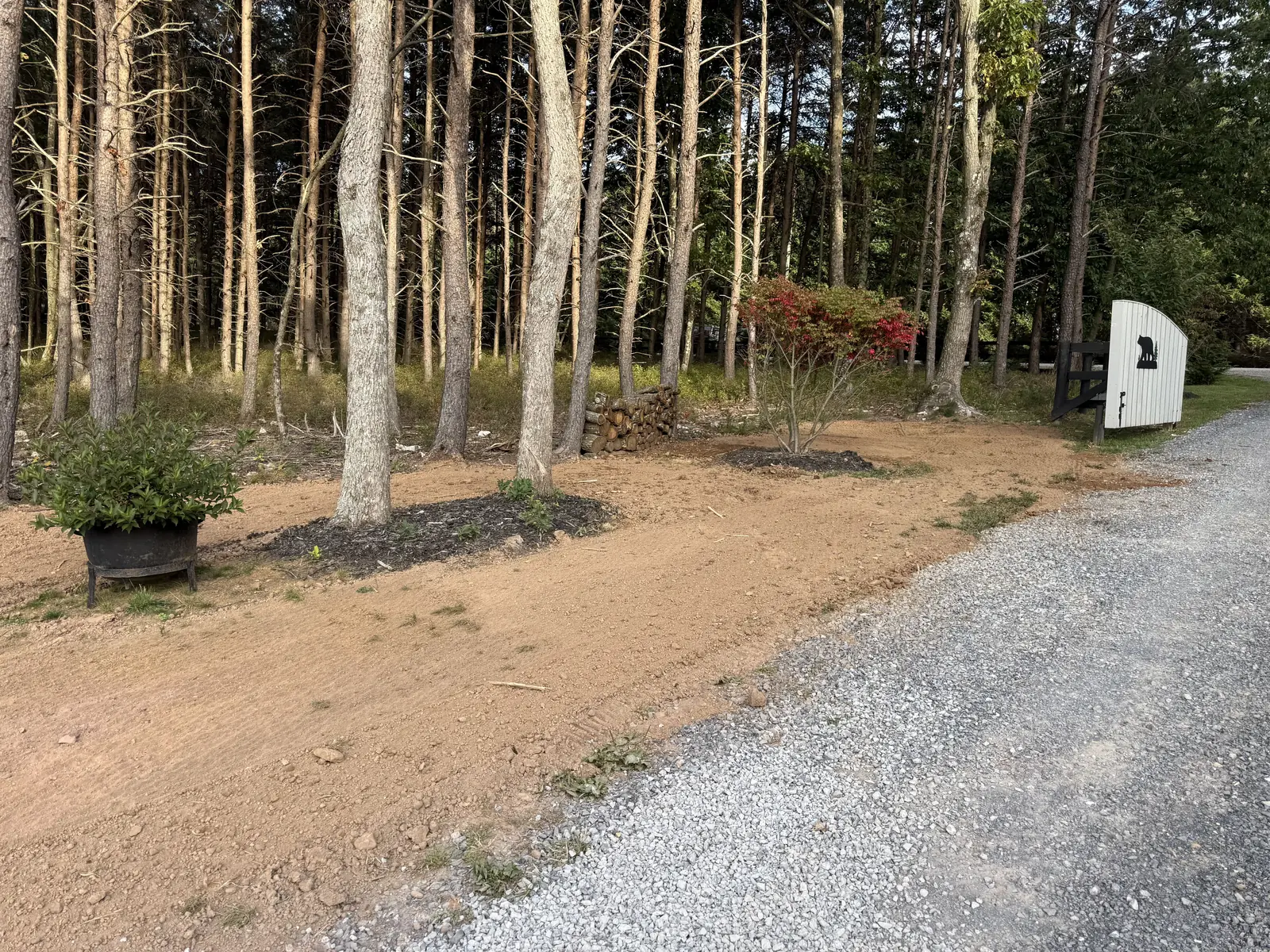
We cut in new gravel driveways and lanes on rural lots, and regrade drives that have rutted or washed out. The surface gets crowned so water runs off the drive instead of down it.
Learn More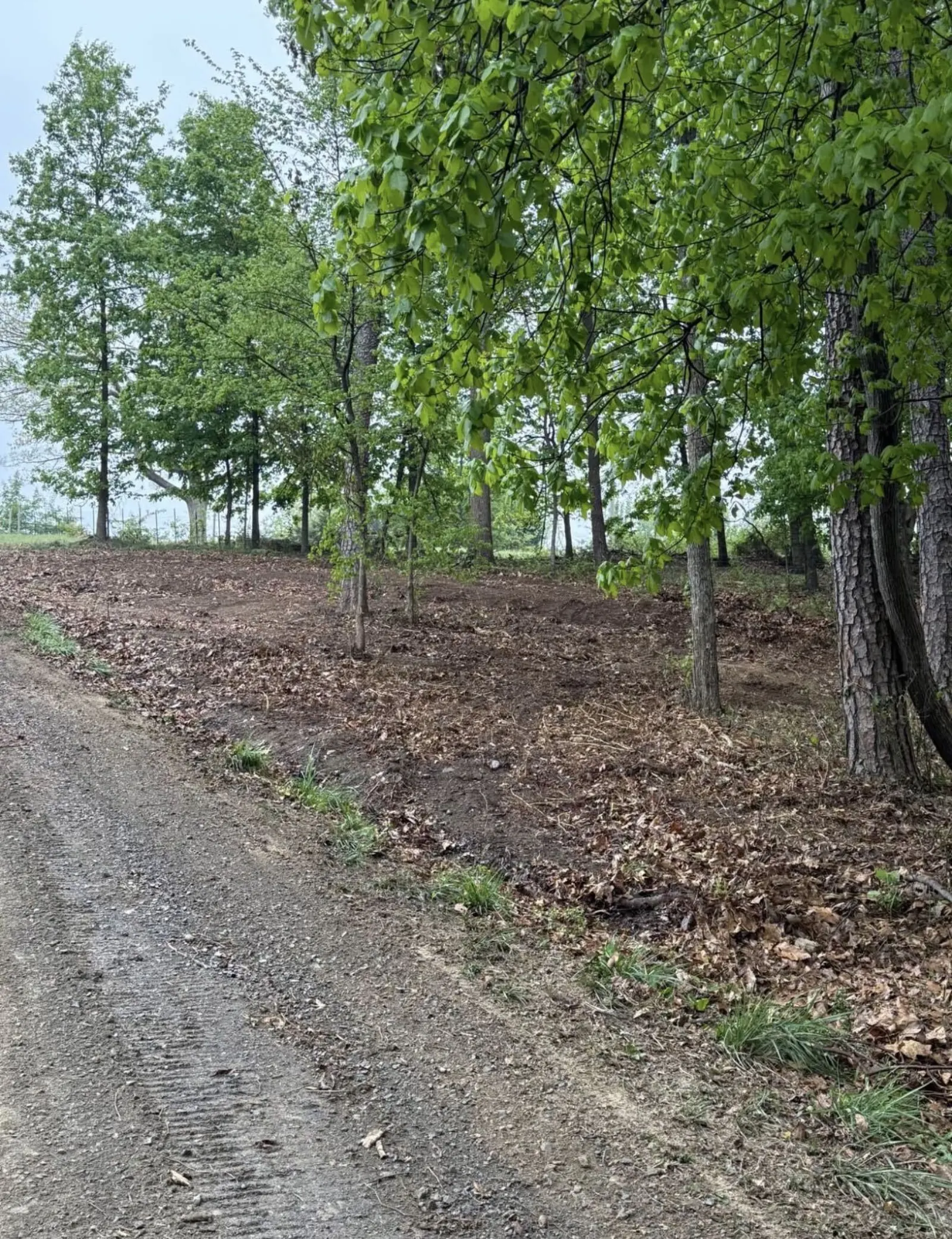
Gravel road grading brings a worn private road back into shape. We regrade roads that have washed out or worn into ruts and potholes. The crown goes back in so rain sheds to both sides. Then we clean out the ditch lines and cut turnouts that lead the water away from the road.
We grade private roads: roads several owners share, roads back to cabins or hunting land, farm lanes and field roads. For a single home's drive, see our gravel driveway work. We are based in Augusta, in Hampshire County, and serve the Eastern Panhandle and the northern Shenandoah Valley. Call or text (540) 327-1400 for a free estimate.
Tell us about the job and the ground. We will get right back to you.
Most gravel road repair, and dirt road repair too, starts with water. When a road loses its crown, rain sits on the surface and softens it. The Federal Highway Administration's gravel roads guide says water left standing on a road can lead to ruts. Those ruts can reach the ground under the gravel.
Traffic moves the stone, too. Tires push gravel off the driving surface and onto the edges, where it builds a ridge often called a berm. The guide notes that a berm keeps rain from draining into the ditch. On a hill, the water runs down along the berm and carries gravel away with it.
Our tracked loader, a skid steer on tracks, does the regrading. Its bucket cuts down the high spots and pulls the gravel in that berm back onto the road. Then it fills the ruts and potholes and smooths the surface.
The crown is the high line down the middle of a road. The federal guide recommends about half an inch of rise per foot, or 4 percent, from edge to center. Narrow roads need one too. We shape the crown with the loader's bucket so rain sheds to both sides.
Ditch lines carry the water once it leaves the road. They fill in over time, partly with gravel that traffic pushes off. Our mini excavator cleans them out and reshapes them, then cuts turnouts where the water needs an exit. The guide counts standing water anywhere in a road, the ditch included, among the major reasons roads fail.
A turnout is a short, shallow cut that leads water out of the ditch and away from the road. Penn State's Center for Dirt and Gravel Road Studies favors more turnouts. Each one shortens the ditch run and slows the water. Its manual advises aiming turnouts into grass or woods, where the flow spreads out and slows down.
Weikert and Berks silt loams are the most common soils in Hampshire and Mineral counties. Weikert is a shallow soil weathered from shale and siltstone, with bedrock 10 to 20 inches down. A hard rain has little room to soak in, so much of it runs off. On a road that climbs a ridge or drops into a hollow, that runoff finds the tire tracks.
In gravel road maintenance, shape comes before stone. The federal guide says to fix lost crown, potholes, high shoulders and ruts before fresh gravel goes on. Then the new stone goes down at an even depth. Filling the bad spots with new gravel alone can get expensive and leaves an uneven layer.
Developments here are often large lot subdivisions where people built second or seasonal homes, the county planning commission notes. We grade the private roads that run back to lots like those, and to farms and hunting land. When a road needs both machines, each one comes in on our own trailer.
Free, no-obligation estimates across the Eastern Panhandle and the northern Shenandoah Valley.
(540) 327-1400From the first call or text to the finished property, here is how it goes.
Call or text (540) 327-1400 and tell us what the property looks like. Photos and a map pin help us picture the ground before we drive out.
We meet you at the property and go over what you want done. We check the slope, the wet spots, the trailer access, and what has to come down.
We give you a price for the work you asked about. The job goes on the schedule once you approve it.
The machine the job calls for comes in on our trailer, and the second one follows when the work needs both. Clearing, stump work and grading happen on the same job when the ground allows.
Before the machines load up, we go over the finished ground with you. You see the grade and where the chips and dirt ended up.
Common questions about gravel road grading across the Eastern Panhandle and the northern Shenandoah Valley. If yours is not here, call or text and ask.
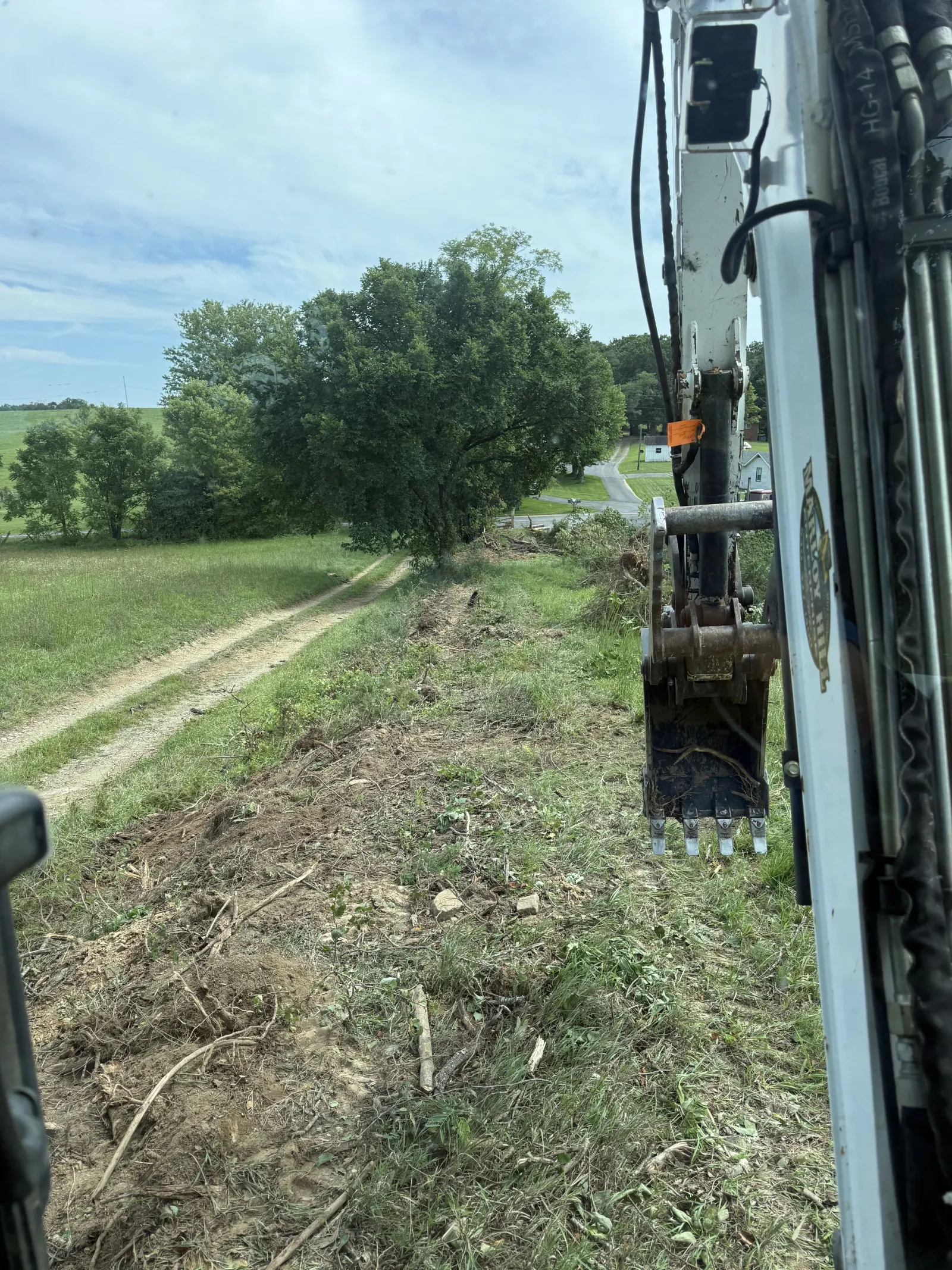
We cut in new gravel driveways and lanes on rural lots, and regrade drives that have rutted or washed out. The surface gets crowned so water runs off the drive instead of down it.
Learn More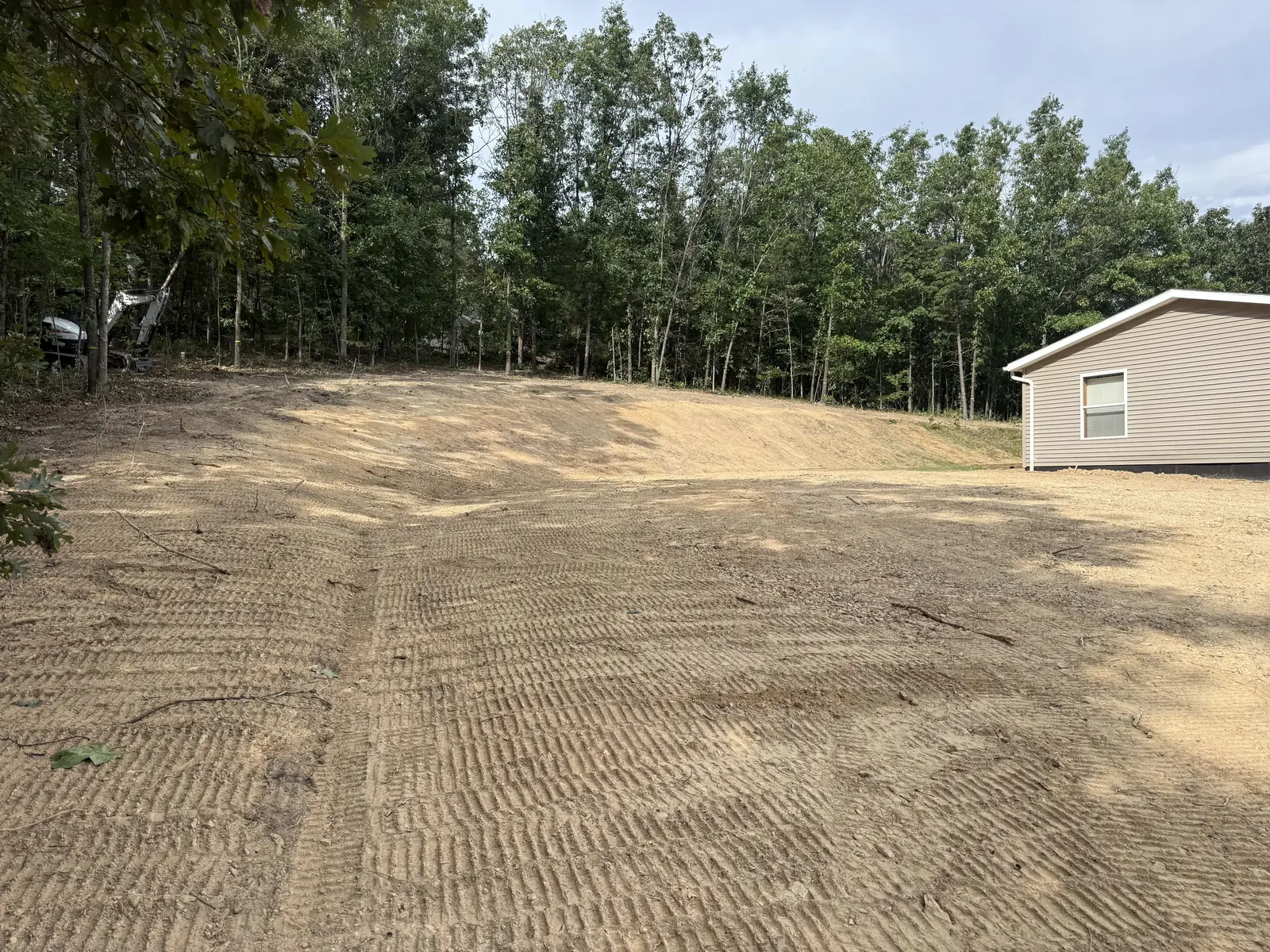
We level pads, smooth rutted ground and shape lots after clearing. The finished grade sends water away from your buildings instead of toward them.
Learn More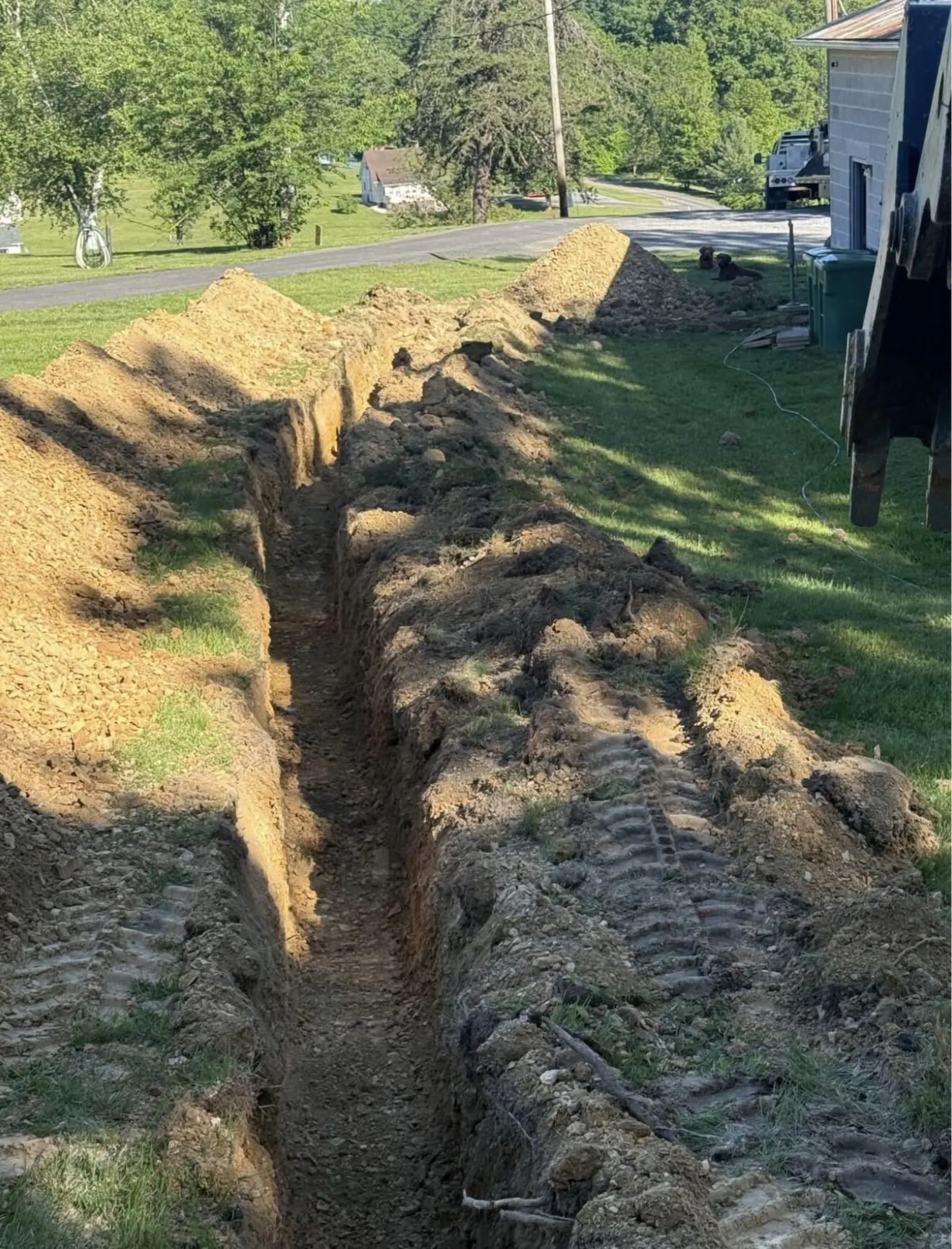
We install French drains and drainage trenches that move water away from houses, cabins, barns and driveways. The mini excavator digs the line, then pipe and washed stone go in so the ground drains.
Learn More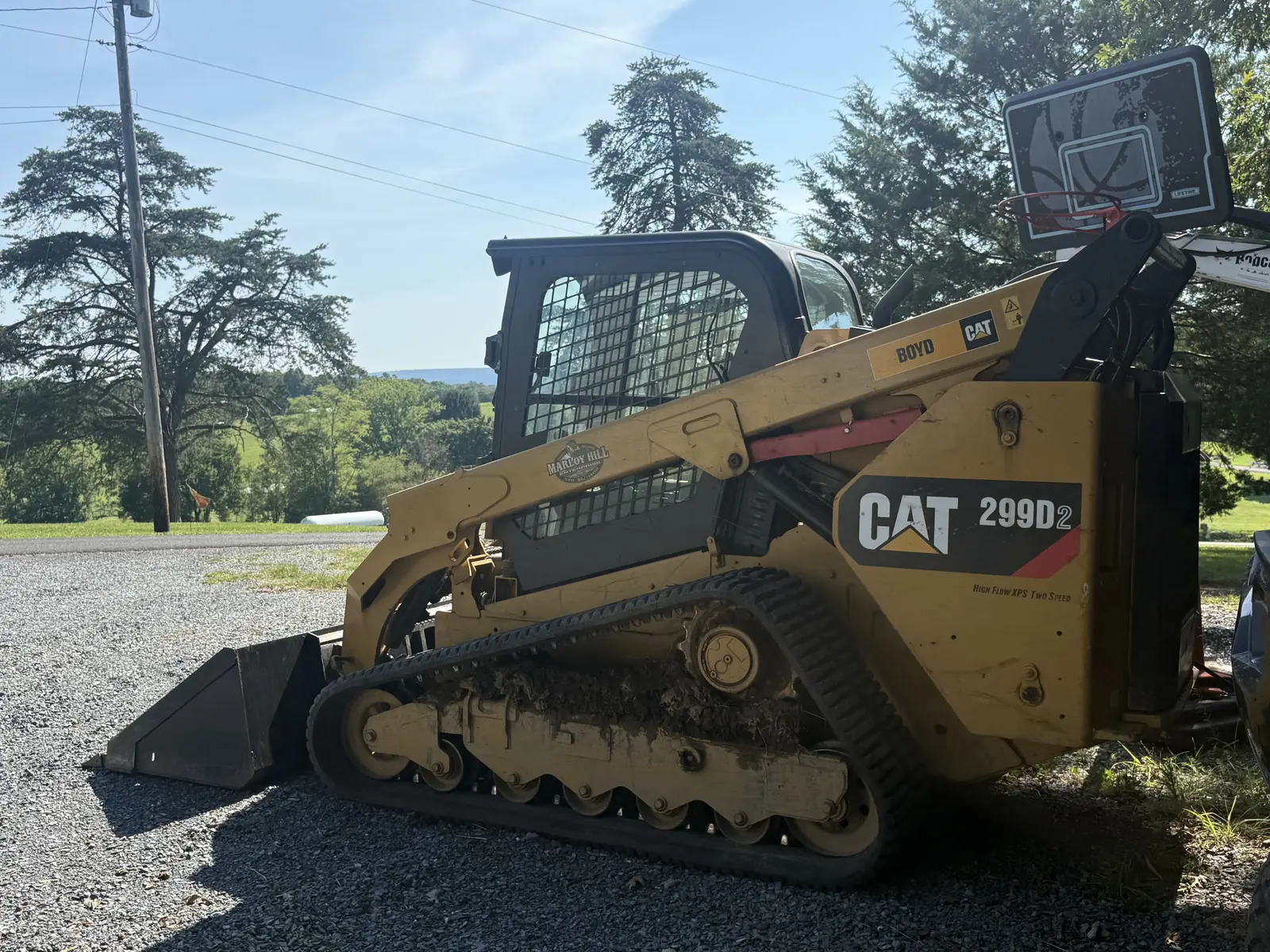
We bring our tracked skid steer to grade yards and lanes, spread gravel and topsoil, and fill washouts. A forestry mulcher head on the same loader grinds brush and saplings where they stand.
Learn MoreWe work out of Augusta, on US-50 between Romney and the Virginia line. That means ridge ground, thin shale soil, grown-up fence rows, and old pasture growing back in.
A tracked loader with a mulcher head clears standing growth, and a mini excavator does the digging. Tracks spread the weight on soft ground and hold better on slopes than wheels.
We come out, look at the property with you, and price the work. The estimate costs nothing and gives you a number before any machine shows up.
We cover Hampshire, Mineral, Hardy, Grant, Morgan and Berkeley counties in West Virginia. East of the line we reach Winchester and Front Royal, roughly 50 miles from Augusta.
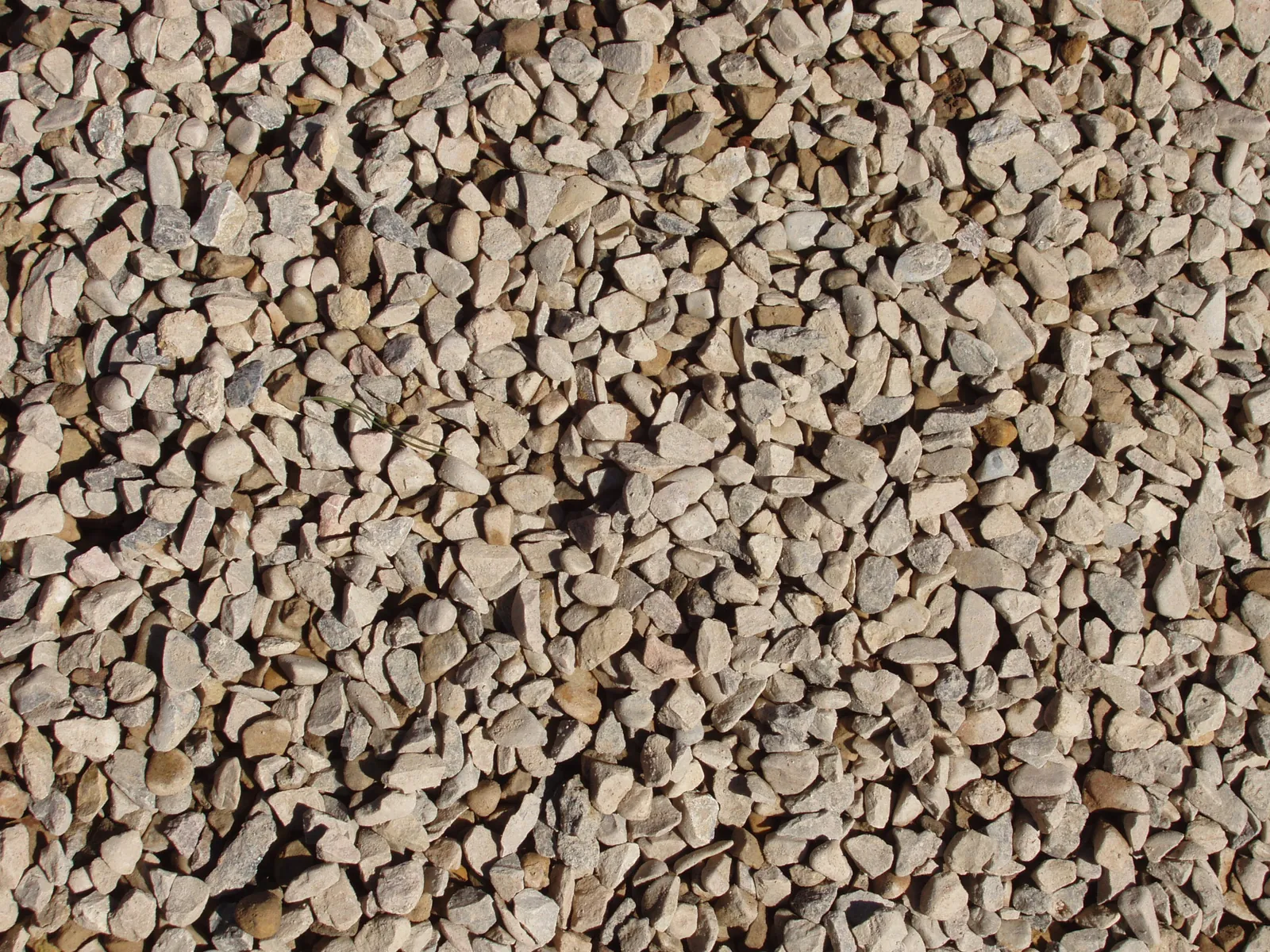
Crusher run vs 57 stone: which gravel packs into a hard driveway and which one drains. Free estimates in Augusta, WV. Call or text (540) 327-1400.
Read more →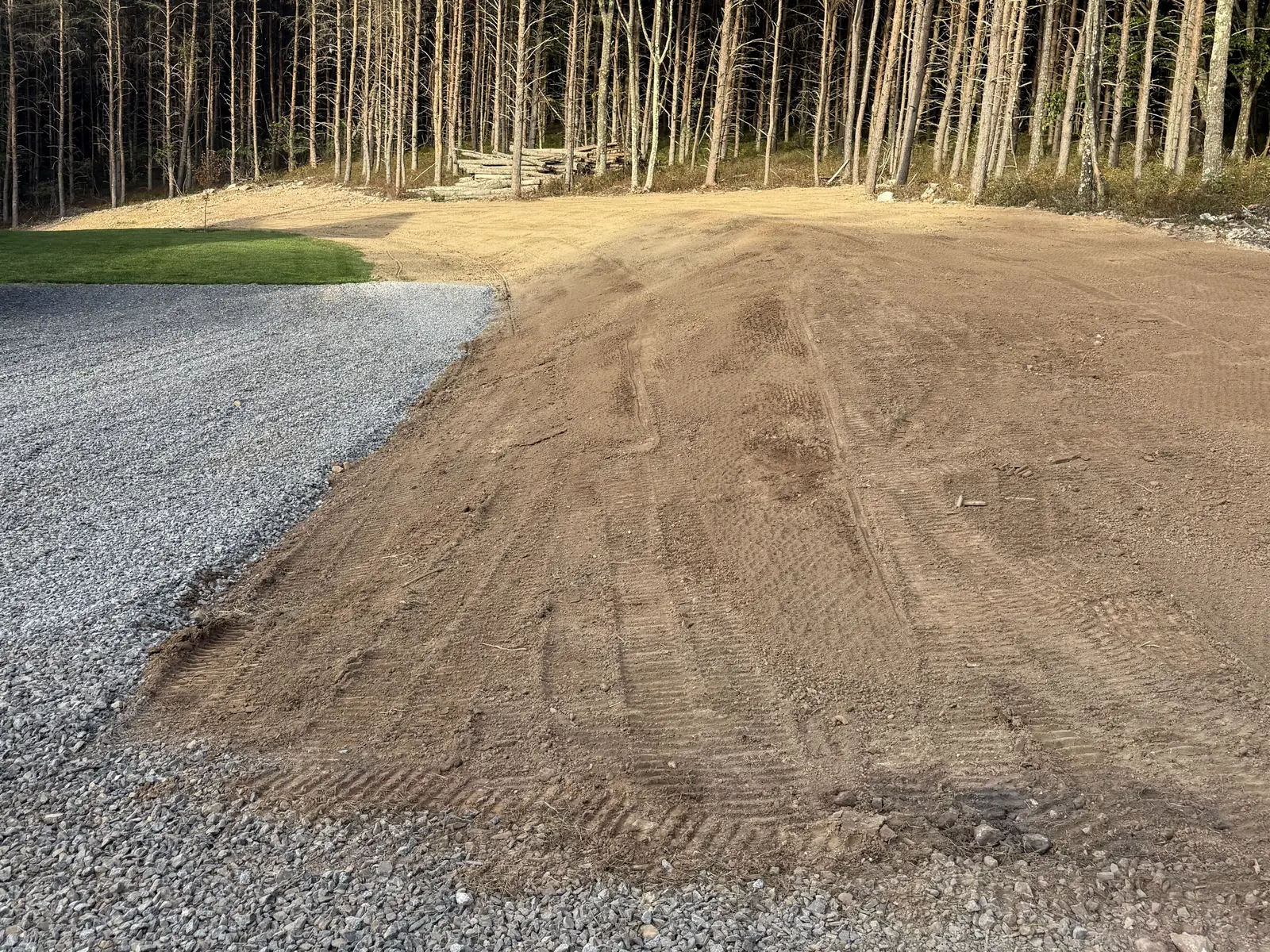
Swale vs French drain: which fix your wet yard needs, plus market cost ranges for both. Free estimates in Augusta, WV and Hampshire County. Call or text.
Read more →Tell us where the property is and what you want the ground to do. Call or text (540) 327-1400, or fill in the form and we will get back to you.
Tell us about the job and the ground. We will get right back to you.