Grading and Site Prep
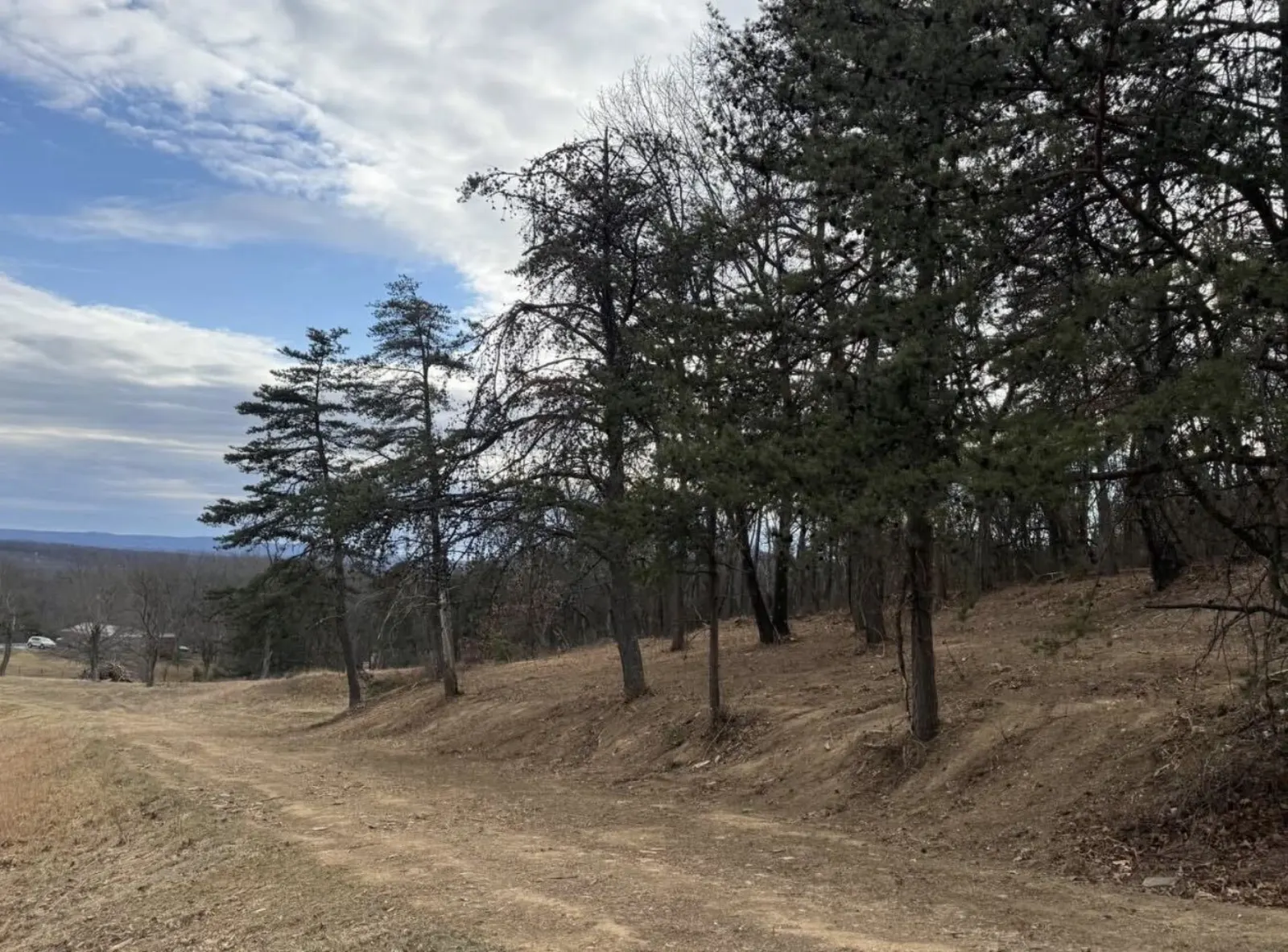
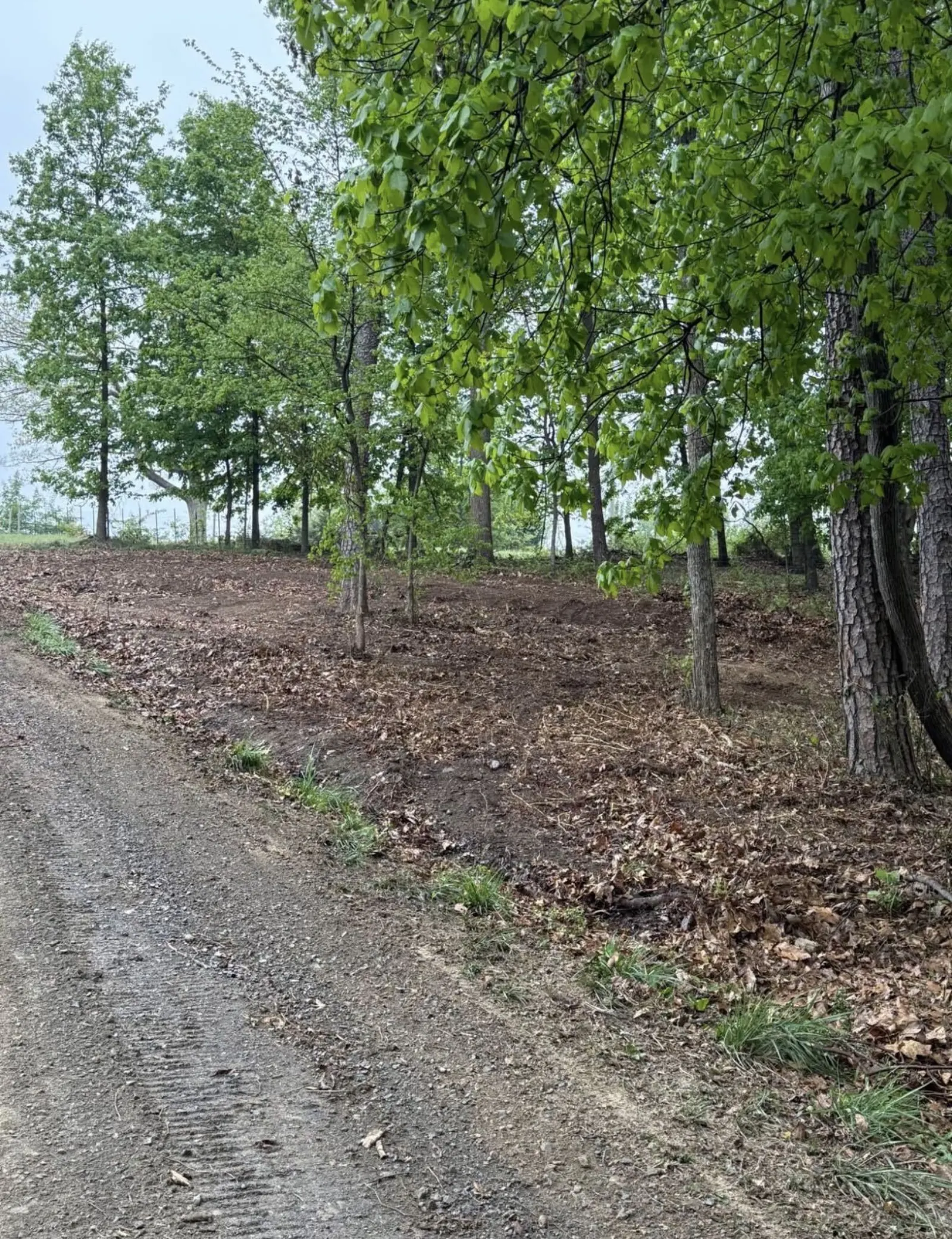
We level pads, smooth rutted ground and shape lots after clearing. The finished grade sends water away from your buildings instead of toward them.
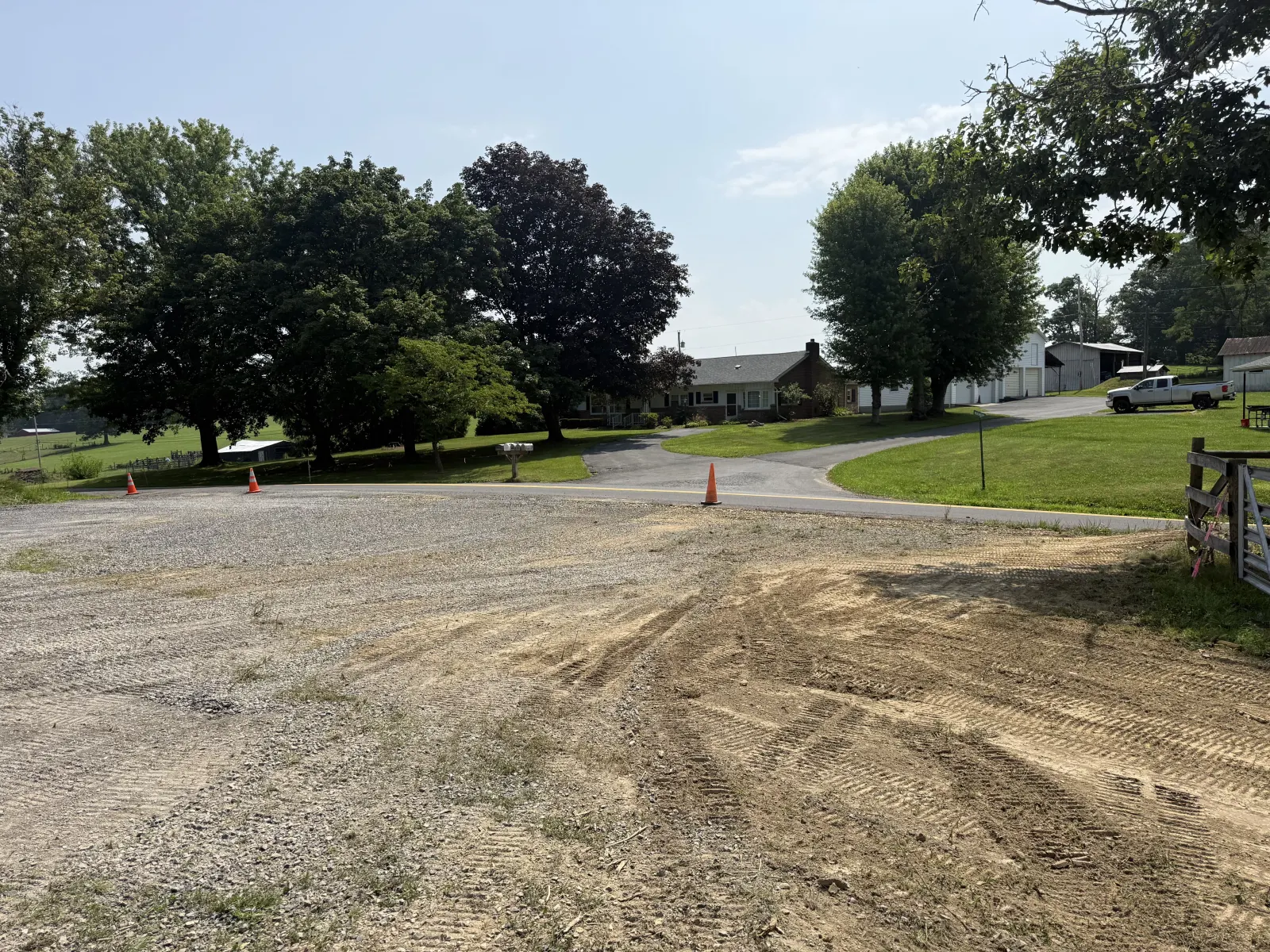
Learn More A gravel driveway on Hampshire County ground has one real enemy, and that is water. Drives here run up hollows, off ridges and back through fields. Rain follows the tire tracks and carries the stone with it. We cut in new gravel drives, regrade the washed out ones, and shape the surface so water leaves early.
Every drive starts with the ground under it, so we dig the soft spots out and shape the base. If the route for a new drive is grown up, clearing the brush off the line comes first. We work out of Augusta and cover the Eastern Panhandle, from Romney east to the Virginia line. Estimates are free, and you can call or text (540) 327-1400.
Tell us about the job and the ground. We will get right back to you.
A new drive is mostly dirt work before it is ever stone. We take the topsoil off the line, then shape the base so it sits high in the middle. Stone laid straight on topsoil sinks in and is gone in a season or two.
Most drives get four to six inches of base stone, then a couple of inches on top. Crusher run makes a good base because the stone dust packs into the gaps. Cleaner stone such as #57 drains well but rolls under tires, so it belongs over a packed base.
On soft clay we put driveway fabric down before the stone. It keeps mud from working up into the base, which is what turns a new drive into ruts. If the drive ends at a cabin or shed spot, that pad is site prep and gets shaped too.
Most repair calls sound the same. The drive has worn into two ruts. The stone has moved to the edges or washed down the hill. Every rain digs it in deeper.
We pull the stone back off the shoulders into the middle. Then we cut the high spots down and fill the low ones. A lot of drives come back that way without much new stone. Where the base is worn through, that stretch needs stone before it will hold.
Shape matters more than the size of the gravel order. A drive wants about half an inch of fall per foot from the center to the edge. On a twelve foot drive the crown sits around three inches high. That pushes water off the side before it can run the length of the drive.
The ground here is shale and clay over rock, and it holds water instead of taking it in. The region gets about 35 to 40 inches of rain a year. Winter freeze and thaw lifts the surface loose. A drive that was solid in October turns soft and rutted by March.
On a long grade, water gets moving and takes the stone with it. Past about ten percent grade, a drive needs help holding gravel. We cut shallow cross drains every fifty to a hundred feet on steep runs. Ditch lines on the uphill side catch what comes off the bank.
Where a spring or a wet weather run feeds the drive from above, grading alone will not hold it. That is drainage work, and a French drain beside the drive puts the water somewhere else. We can dig it while the machine is on the property.
Free, no-obligation estimates across the Eastern Panhandle and the northern Shenandoah Valley.
(540) 327-1400From the first call or text to the finished property, here is how it goes.
Call or text (540) 327-1400 and tell us what the property looks like. Photos and a map pin help us picture the ground before we drive out.
We meet you at the property and go over what you want done. We check the slope, the wet spots, the trailer access, and what has to come down.
We give you a price for the work you asked about. The job goes on the schedule once you approve it.
The loader and the excavator come in on our trailer. Clearing, stump work and grading happen on the same job when the ground allows.
Before the machines load up, we go over the finished ground with you. You see the grade and where the chips and dirt ended up.
Common questions about gravel driveways across the Eastern Panhandle and the northern Shenandoah Valley. If yours is not here, call or text and ask.
We level pads, smooth rutted ground and shape lots after clearing. The finished grade sends water away from your buildings instead of toward them.
Learn More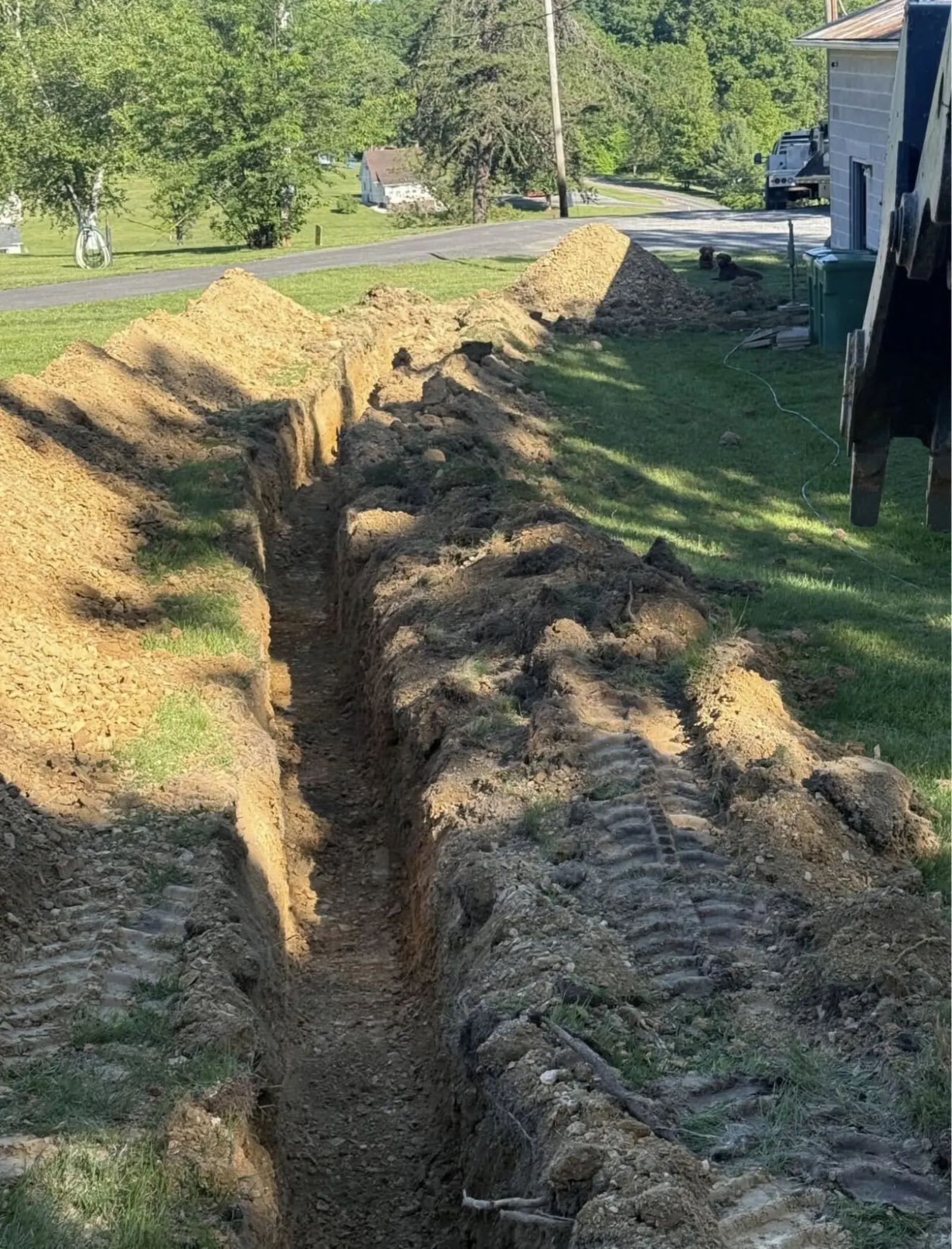
We install French drains and drainage trenches that move water away from houses, cabins, barns and driveways. The mini excavator digs the line, then pipe and washed stone go in so the ground drains.
Learn More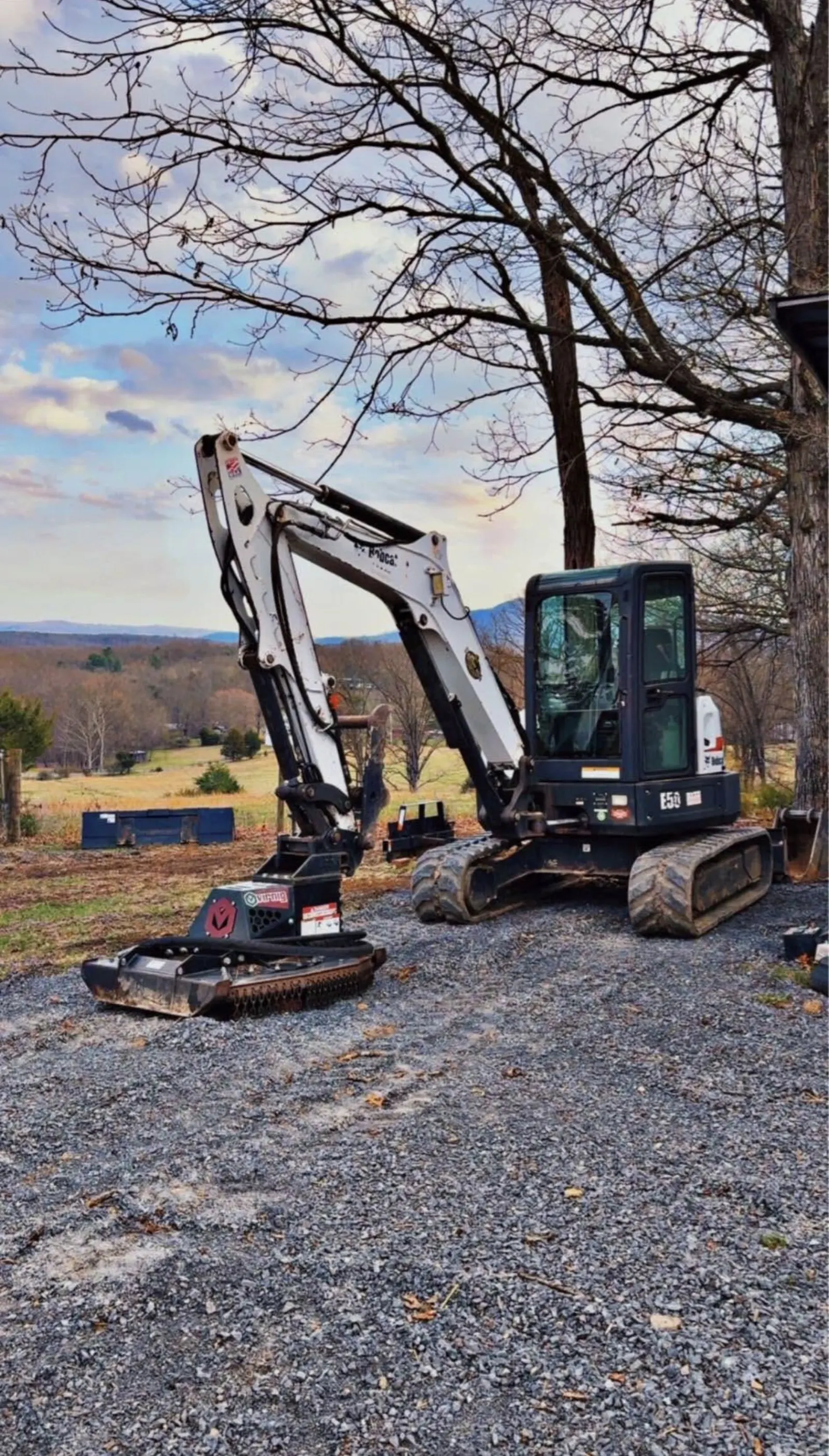
Mini excavator digging for trenches, ditches, driveway cuts and dirt work. We clear and dig on the same trip across Hampshire County and the Eastern Panhandle.
Learn MoreWe work out of Augusta, on US-50 between Romney and the Virginia line. That means ridge ground, shale and clay soil, grown-up fence rows, and old pasture growing back in.
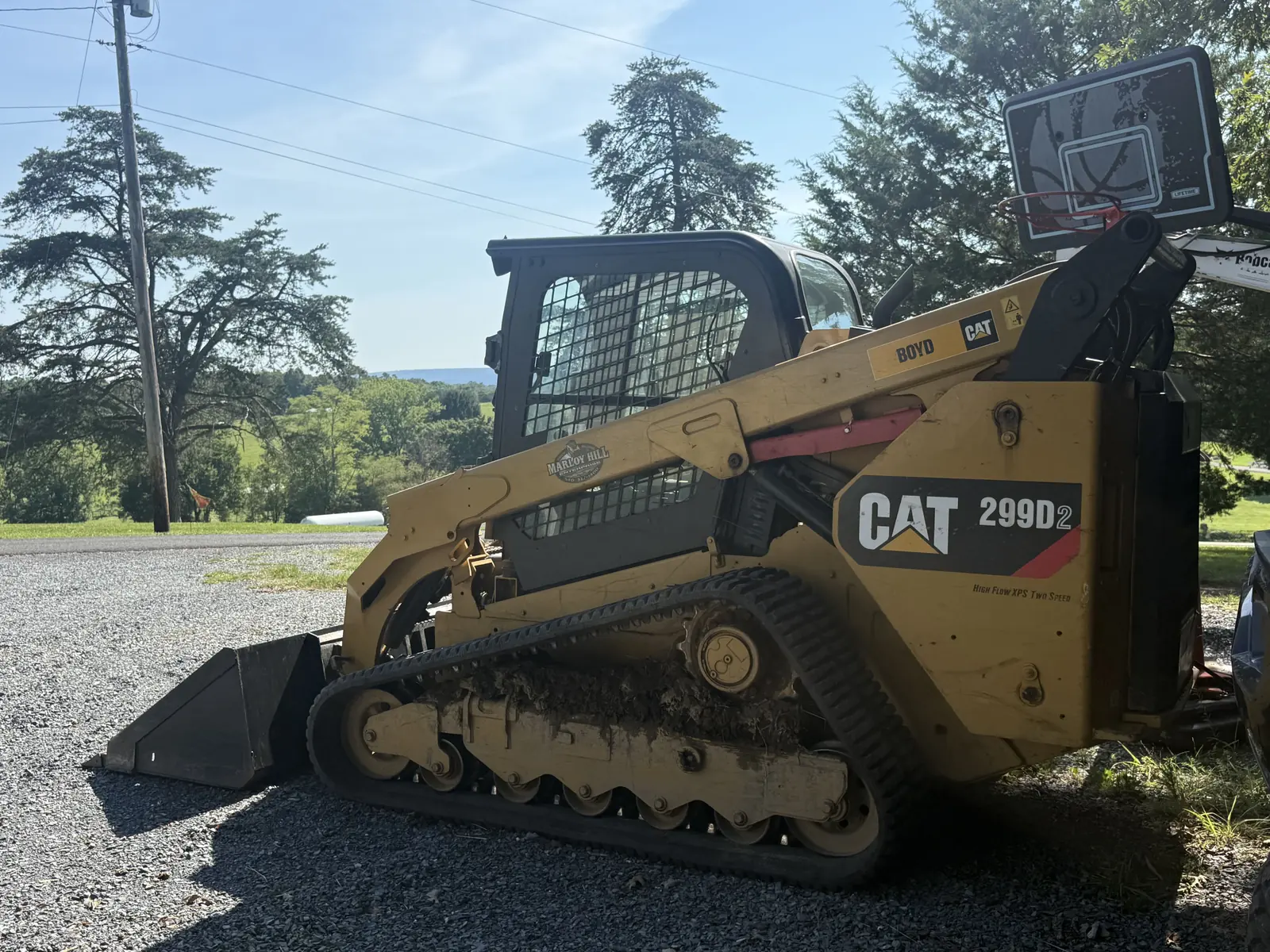
A tracked loader with a mulcher head clears standing growth, and a mini excavator does the digging. Tracks spread the weight on soft ground and hold better on slopes than wheels.
We come out, look at the property with you, and price the work. The estimate costs nothing and gives you a number before any machine shows up.
We cover Hampshire, Mineral, Hardy, Grant, Morgan and Berkeley counties in West Virginia. East of the line we reach Winchester and Front Royal, roughly 50 miles from Augusta.
Tell us where the property is and what you want the ground to do. Call or text (540) 327-1400, or fill in the form and we will get back to you.
Tell us about the job and the ground. We will get right back to you.